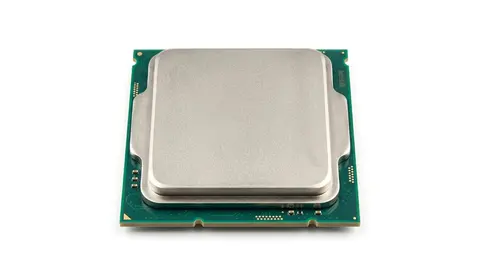
How to choose a gaming processor
How to choose a gaming processor: cores, cache, clock speed, platform and cooling, using the Ryzen 7 9800X3D as an example.
On this page
This is a source-informed guide, not a hands on test. We used AMD's published specification for the Ryzen 7 9800X3D and two independent reviews, from TechPowerUp and TechSpot, for performance figures. We did not benchmark anything ourselves, and we say where a number is AMD's own claim.
Platform first
A desktop processor only works with a motherboard that has its socket. AMD lists the Ryzen 7 9800X3D for the AM5 socket with DDR5 memory, PCIe 5.0 and two memory modules at DDR5-5600. If you are building new, pick the platform and board first, then the chip. If you are upgrading, confirm the board maker's support list for your exact board revision, since a socket match alone does not guarantee the board runs the processor out of the box. Some boards need a firmware update first.
Cores and threads
AMD lists eight cores and sixteen threads for this model. Cores are physical processing units and threads let each core handle two streams of work. More threads help with streaming and rendering, while many games depend on the speed of a few cores.
Cache
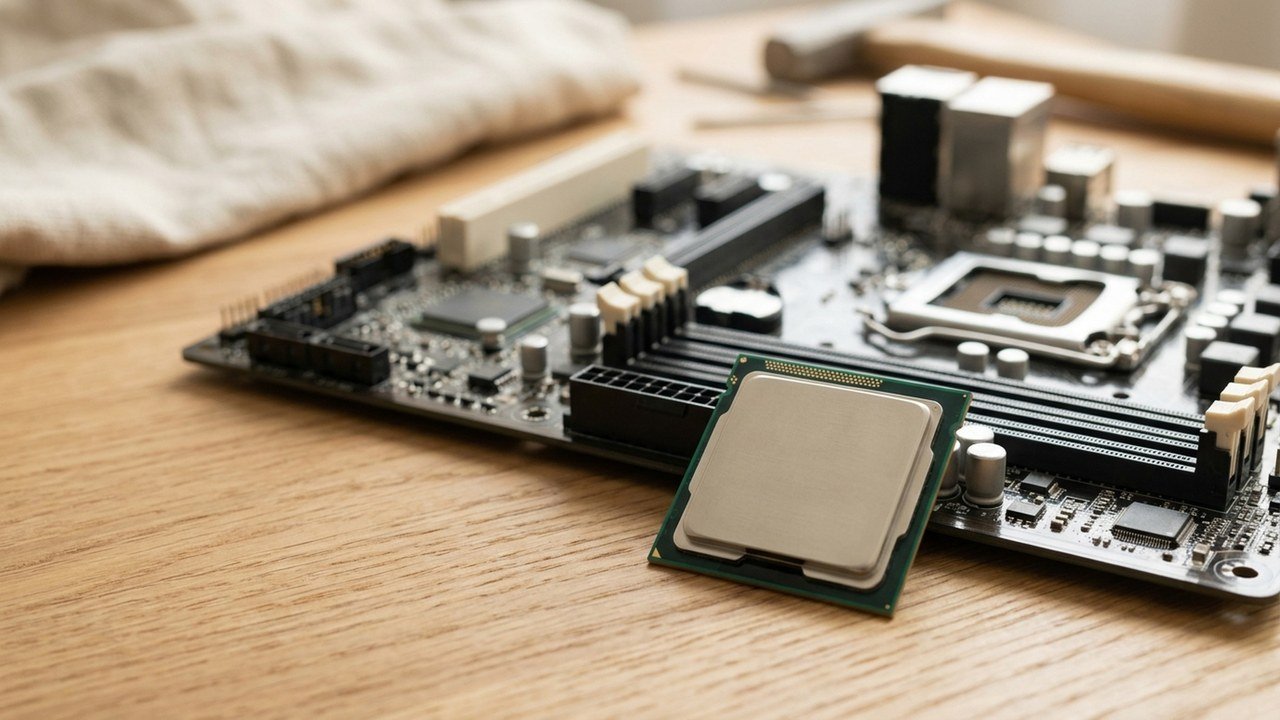
AMD lists 96 MB of L3 cache. Cache is fast memory on the processor, not extra system RAM. The X3D name refers to AMD's stacked cache design, and games that repeat many memory lookups tend to benefit most from a large cache, though how much depends on the game.
Clock speed
AMD lists 4.7 GHz base and 5.2 GHz boost. Do not compare clocks between different designs, since a lower clock with more cache can outperform a higher clock with less. Real speed also depends on cooling.
What testing found
AMD's launch announcement claims up to 20 percent faster gaming than Intel's Core Ultra 9 285K and up to 8 percent over its own 7800X3D, from AMD's own testing. TechPowerUp measured it about 3.4 percent ahead of the 7800X3D and about 13 percent ahead of the 285K at 1080p, with gaming power draw around 65 W, and found gaming differences minimal at 4K. TechSpot reported 24 percent faster than the 285K across 45 games at 1080p.
Match it to the graphics card
Those gaps are largest at 1080p with a fast graphics card. At 4K, TechPowerUp found them minimal, because the graphics card does most of the work. Spend where your bottleneck is. If you play at 4K with a mid-range card, a cheaper processor may serve you as well, and the saved money may do more in the graphics card.
Cooling and power
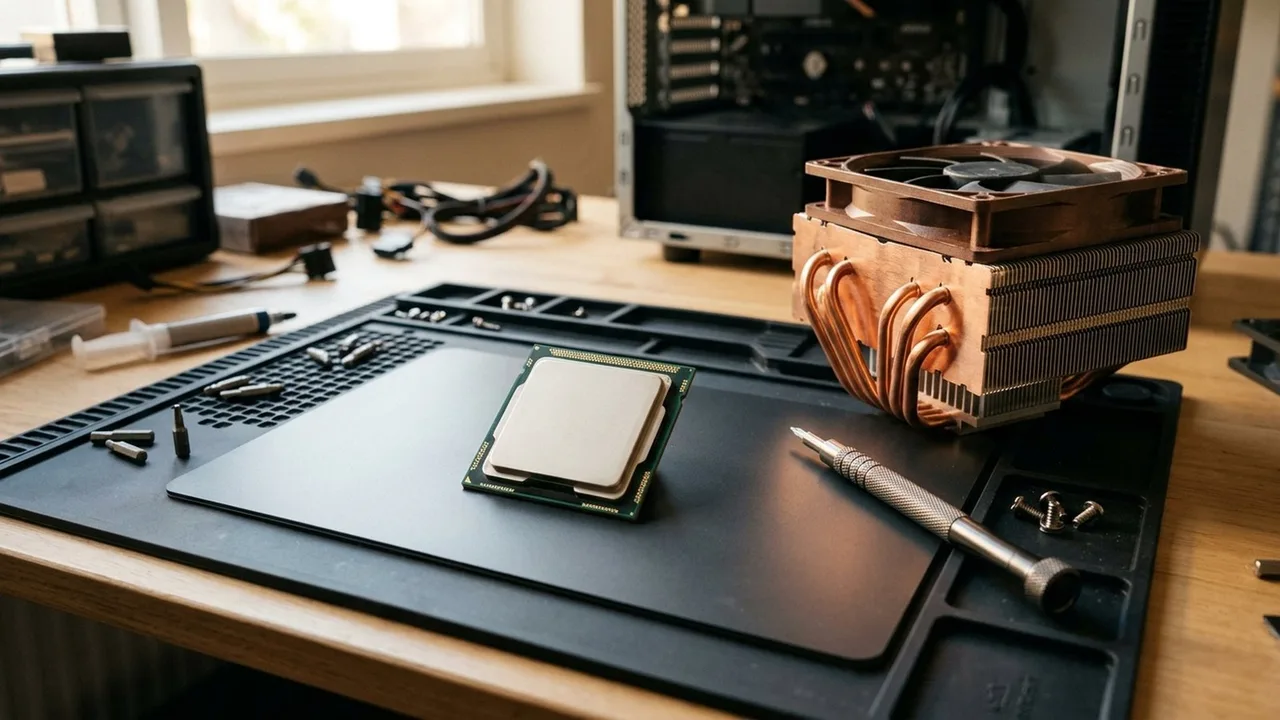
AMD lists a 120 W default TDP, says the boxed processor does not include a cooler, and recommends liquid cooling for optimal performance. TDP is a cooling design figure, not a power measurement. TechPowerUp's roughly 65 W gaming draw shows that real draw in games can sit well below TDP, so size the power supply for the whole build, not the CPU alone.
Three situations, three different answers
New build. You choose everything at once, so the question is the whole parts list. AM5 and DDR5 mean a new board and new memory, and AMD lists no cooler in the box. The processor is only one line of the total, so price the whole build before deciding the chip is the right place to spend.
Upgrade on AM5. You keep the board and memory, so the check is the board maker's support list and any firmware update. Record your current games, settings and frame rates first so you can tell afterwards whether anything improved.
Upgrade from another platform. This is a new build in disguise, because the socket and memory type change. A processor price alone hides most of the cost.
Creative and streaming work
Eight cores and sixteen threads are resources, not a measured result in your editor or encoder. The independent reviews we used measured games, so they say little about rendering or recording. If those jobs decide the purchase, find a test of your own software. A system that records while it plays may also depend on the graphics card's encoder, not only the processor.
What to skip
Skip a top processor if you play mostly at 4K, if your graphics card is the limit, or if your current chip already meets your frame rate target. TechPowerUp's finding that gaming differences are minimal at 4K is the clearest published reason. Skip a listing with no seller information or no return terms, however low the price looks.
Keep the paperwork
Save the listing, the board's support page and the cooler's instructions. If the chip does not start, the first step is the board's firmware, and the second is the maker's support. Having those pages to hand saves days.
If you are unsure between two options, make a short table with the processor, board, memory and cooler for each, with the total at the bottom. The difference between the totals, set against the independent test results at your resolution, usually makes the decision plain.
What about laptops?
Laptop processors are a separate category with other limits. If you want a laptop, read how to choose a laptop instead.
Reading the listing
Check the socket, whether a cooler is included, the seller and the warranty. Then read gaming processor specs explained, mistakes to avoid and our 9800X3D review.
AMD Ryzen 7 9800X3D
An 8 core, 16 thread AM5 processor with 96 MB L3 cache and no cooler in the box.
Be careful with
Buying a processor before confirming the motherboard socket, firmware support and memory type.
The practical answer
Choose the platform, then the chip, then the cooler, and match it all to your graphics card and resolution. At 4K, most of the benefit of a top processor disappears in published testing.
Questions people ask
How many cores do I need for gaming?
Six to eight good cores suit most games. More helps for streaming and heavy multitasking.
What is cache?
Fast memory on the processor. Large cache can help games.
Do I need a new motherboard?
Often yes when changing processor generation. Check the socket.
Does the cooler come with it?
Not always. Check the listing.
Sources and scope
Reference material is linked for the scope described below. This is not a claim that every statement or current retailer offer has been independently verified.
- AMD Ryzen 7 9800X3D desktop processor (AMD): manufacturer specifications
- AMD introduces the Ryzen 7 9800X3D (AMD press release, 31 October 2024): manufacturer claims, not independent testing
- AMD Ryzen 7 9800X3D review (TechPowerUp): independent benchmark review
- AMD Ryzen 7 9800X3D vs Intel Core Ultra 9 285K (TechSpot): independent benchmark comparison
No hands-on testing or systematic reliability study was performed. Confirm current instructions, seller, model and box contents before ordering.