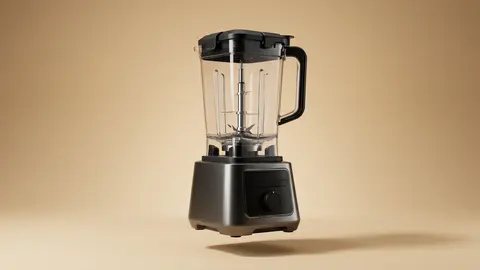
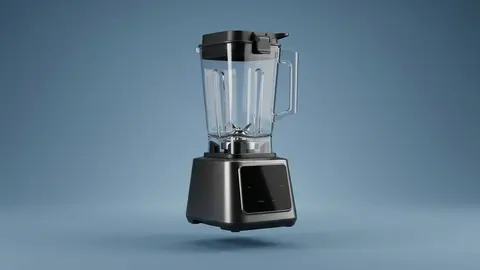
Do you really need a high speed blender?
A plain look at when a high speed blender earns its price, when a cheaper one is enough, and the jobs that really push a motor.
On this page
The term high speed blender has been around long enough that it has become a status symbol. Some people spend a lot on one and use it twice a month. Others buy a mid priced model and blend every morning for years. Which kind of buyer are you?
What high speed really buys you
A powerful motor and well designed blades pulverize ingredients more finely. That matters for tough greens, seeds, frozen fruit, ice and nuts. Finer blending also means a smoother texture, with fewer chunks and less grit in a green smoothie.
Beyond smoothies, strong blenders can heat soup through friction, grind grains, make nut butter and turn ice into snow. These jobs push a motor hard, so they reveal differences that smoothies hide.
Jobs that do not need it
Mixing protein powder with milk, blending bananas and yogurt, making pancake batter, or pulsing a salsa are all jobs a modest blender handles. A model like the Oster Pro 1,200 with its glass jar and to go cup suits these tasks, and the Ninja Professional Blender 2.0 offers a full-size pitcher format; verify its rated power, usable fill line and supported tasks on the exact model documentation.
Jobs that do
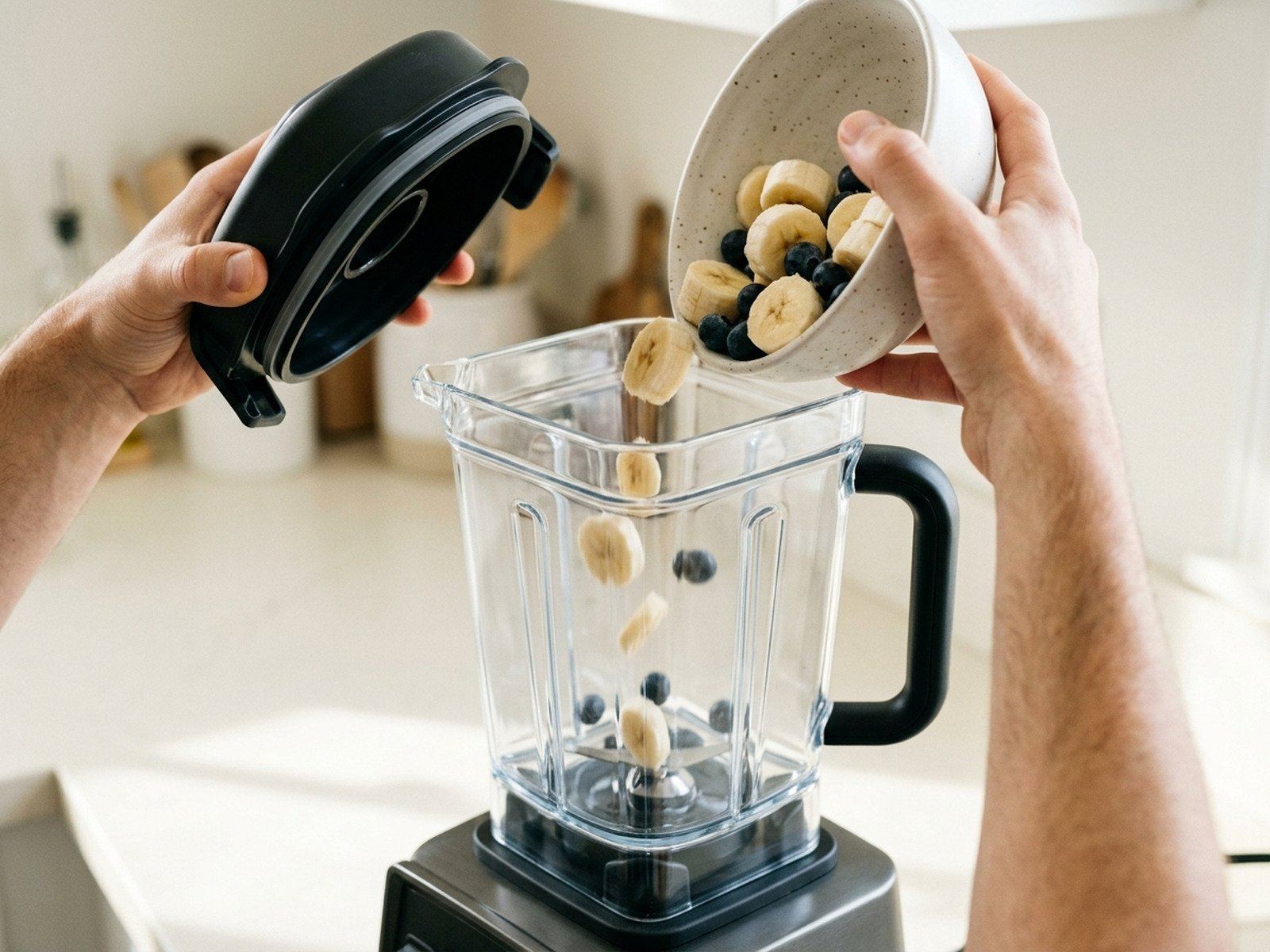
Nut butter, hot soup from raw ingredients, thick frozen desserts and grinding hard seeds are where a premium blender like the Vitamix 5200 earns its keep. The 5200 uses a 64-oz container and is a benchmark in the category. These machines keep going where cheaper ones overheat or stall.
Peak watts versus real performance
You will see numbers like 1,200 watts on the Ninja Professional Blender 2.0 or 1,400 peak watts on the Ninja BN751. Peak watts and continuous watts are not the same, and manufacturers measure differently, so do not compare them across brands. Blade design, jar shape and motor cooling matter just as much.
The cost of ownership
Purchase price does not establish lifespan. Compare warranty, replacement-part availability, documented duty limits and the tasks you expect to perform, then decide whether the added capability justifies the current cost.
Noise and size
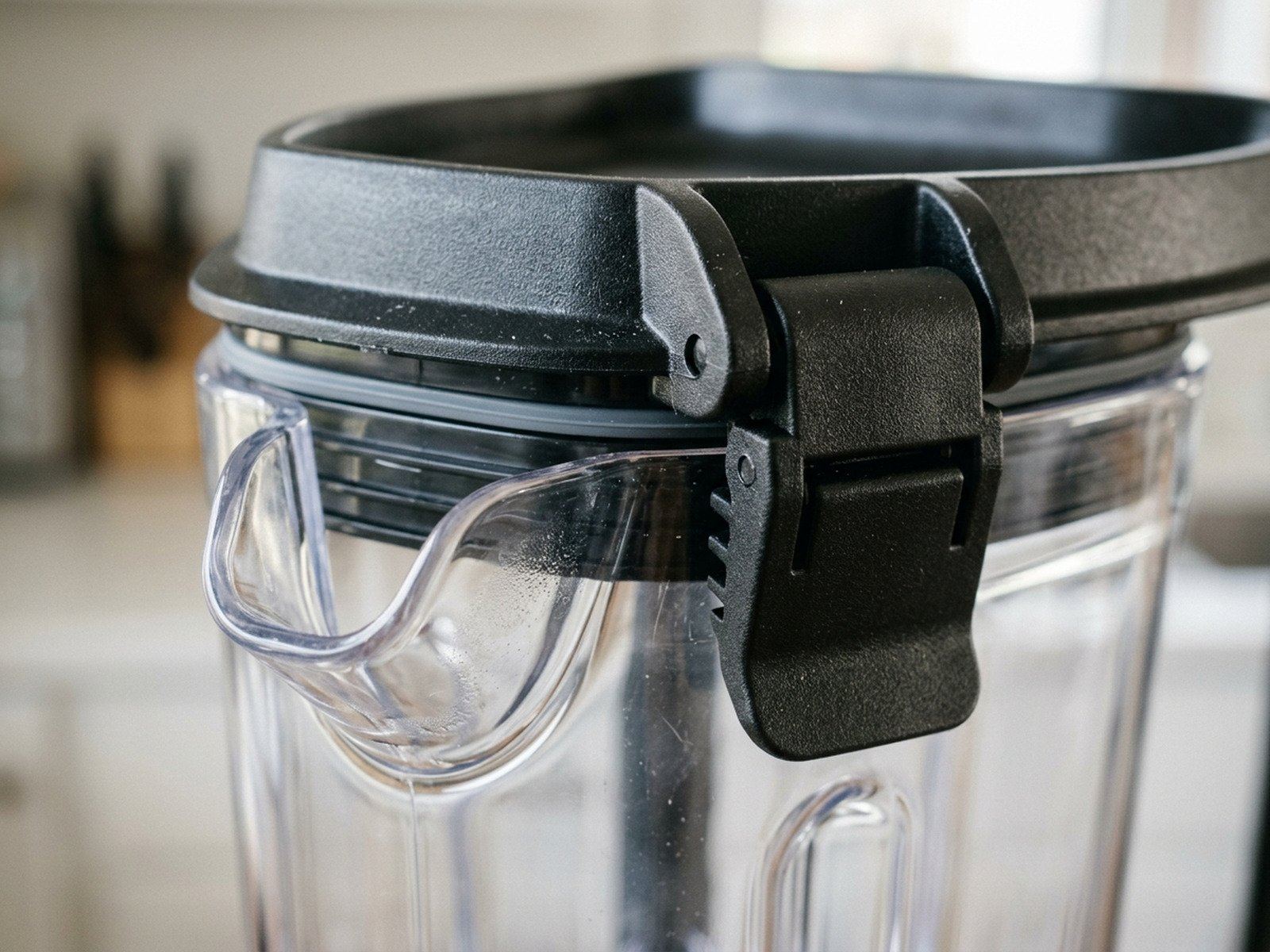
Powerful blenders are loud, and tall pitchers can be awkward under cabinets. If you live in a small apartment or have a sleeping baby at home, noise should be part of the decision.
What the published specifications show
Specifications can help you decide how much blender you need. Vitamix lists its 5200 with a 2 horsepower motor, a 64 ounce container and variable speed control from 1 to 10 plus High. A retailer page for the Ninja BN751 lists 1400 peak watts and a 72 ounce pitcher with three presets. Neither figure tells you how a blender handles your particular recipes, so use them as a starting point.
Match the blender to the task
Smoothies from soft fruit and liquid do not need the most powerful blender. Frozen fruit, ice, nut butters and hot soups ask more of the motor and the container. Check the manual for each task you care about. If it does not mention a task, assume it is not designed for it. A manual that forbids hot liquids means you should not blend soup in that pitcher.
Cost over time
A premium blender costs more up front. Vitamix states a seven year warranty on the 5200, which spreads that cost over time if you blend daily. If you blend twice a month, a cheaper machine is probably enough. Think about how often you will actually use it.
Noise and size
Powerful blenders are loud and tall. At about 20.5 inches, a Vitamix-style container will not fit under many cabinets. Decide where it will live before you buy.
A simple rule
If you blend frozen or fibrous ingredients several times a week, a stronger machine and a longer warranty make sense. If you make occasional smoothies, a mid-priced blender is enough.
Try the simple test first
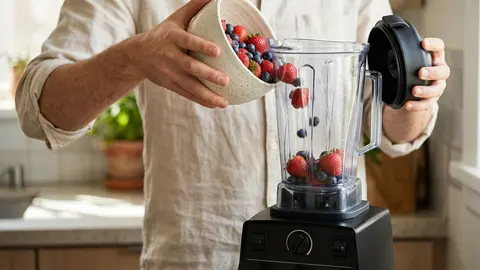
If you already own a blender and your complaint is gritty smoothies, the fix may be technique rather than horsepower. Add liquid first, then soft ingredients, then frozen, and blend for longer at a lower speed before going to high. If the result is still not smooth after that, a stronger machine is justified.
Keep the manual for any blender you buy. It tells you what the motor is rated to do, how long it may run and what you must not blend in it.
A simple decision
Write down three recurring recipes, their batch sizes and whether they involve hot liquids, ice or thick mixtures. Choose the lowest-complexity machine whose manual supports those jobs. “High speed” is useful only when it maps to a documented task you will repeat.
If you blend a few times a week and mostly make smoothies, a mid priced blender is plenty. If you blend daily, cook with your blender, or want something to last a decade, consider a premium model. If you are unsure, start mid and upgrade if you outgrow it.
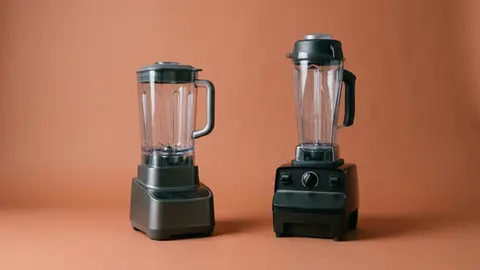
For a deeper look at choosing, read How to choose a blender, and to compare two popular models, see Ninja Professional Blender 2.0 vs Vitamix 5200. For a wider shortlist, read Best blenders: picks for different budgets and needs.
Ninja Professional Blender 2.0
A 1,200-watt, 72-oz pitcher blender that suits family batches.
Vitamix 5200 Professional-Grade Blender
A 64-oz premium style blender, a long running benchmark.
Oster Pro 1200 Smoothie Blender
A glass jar blender with a 24-oz to go cup for single servings.
Ninja BN751 Professional Plus DUO Blender
A DUO model with higher peak watts and three Auto iQ programs.
Skip the premium tier if
You blend once or twice a month. A solid mid priced blender will cover you.
Questions people ask
Do I need a high-speed blender for smoothies?
Not automatically. Match the ingredients and batch size to the exact model’s documented tasks rather than choosing by a speed label alone.
Can wattage tell me which blender is stronger?
Not by itself. Peak, rated-input and continuous figures can use different conditions, and container and blade design also affect the task.
Is a premium blender cheaper over time?
This guide does not assume a lifespan. Compare current price, warranty, parts and supported tasks for the period you expect to keep it.
What should decide the purchase?
Use your recurring recipes, batch size, hot-liquid rules, controls, cleanup and service-not the largest marketing number.
Sources and scope
Reference material is linked for the scope described below. This is not a claim that every statement or current retailer offer has been independently verified.
- Vitamix 5200 (Vitamix): manufacturer specifications
- Ninja BN751 (Best Buy listing): retailer listing
No hands-on testing or systematic reliability study was performed. Confirm current instructions, seller, model and box contents before ordering.