Best blenders: 13 models and one accessory compared
A grouped look at 14 blenders, from personal cups to premium Vitamix and Ninja pitchers, with who each type suits and who should skip it.
On this page
- How we grouped them
- Personal and single serve blenders
- How to choose among the groups
- Small details that matter
- Care that keeps blenders working
- Mid priced pitcher blenders
- Premium pitcher blenders
- Commercial and accessory
- Which one should you pick
- The numbers that are published
- Height is the spec people forget
- Things that matter beyond the model
We are not going to rank these fourteen blenders one to fourteen, because a ranking would hide the real question: what do you blend, and how often? Instead we grouped them into the kinds of buyers who tend to want them. Read the group that sounds like you, then use the cards to check the current listing on Amazon.
These are publisher editorial comparisons, not a systematic owner-feedback study. We did not test any of them, and the pros and cons below are drawn from research, not from using the machines.
How we grouped them
Blenders split into four practical tiers. Personal cups are for one serving. Mid priced pitcher blenders handle smoothies and everyday cooking. Premium pitcher blenders are built for daily use and long ownership. Commercial blenders chase raw power for heavy repeated work. Where a product is an accessory, such as a replacement container, we say so clearly.
Personal and single serve blenders
The Ninja BlendBOSS is a personal blender with a 26-oz tumbler and a listed 1,200 peak watts. It suits one person making a smoothie before work. The Oster Pro 1,200 mixes a glass jar with a 24-oz to go cup, which gives you both a small batch and a drink ready cup. The nutribullet SmartSense combo lists 1,400 watts and a combo format, so it can handle a larger batch while keeping the personal cup option.
Who should skip these: anyone who makes soup or big batches for a family, because small vessels run out of space fast.
How to choose among the groups
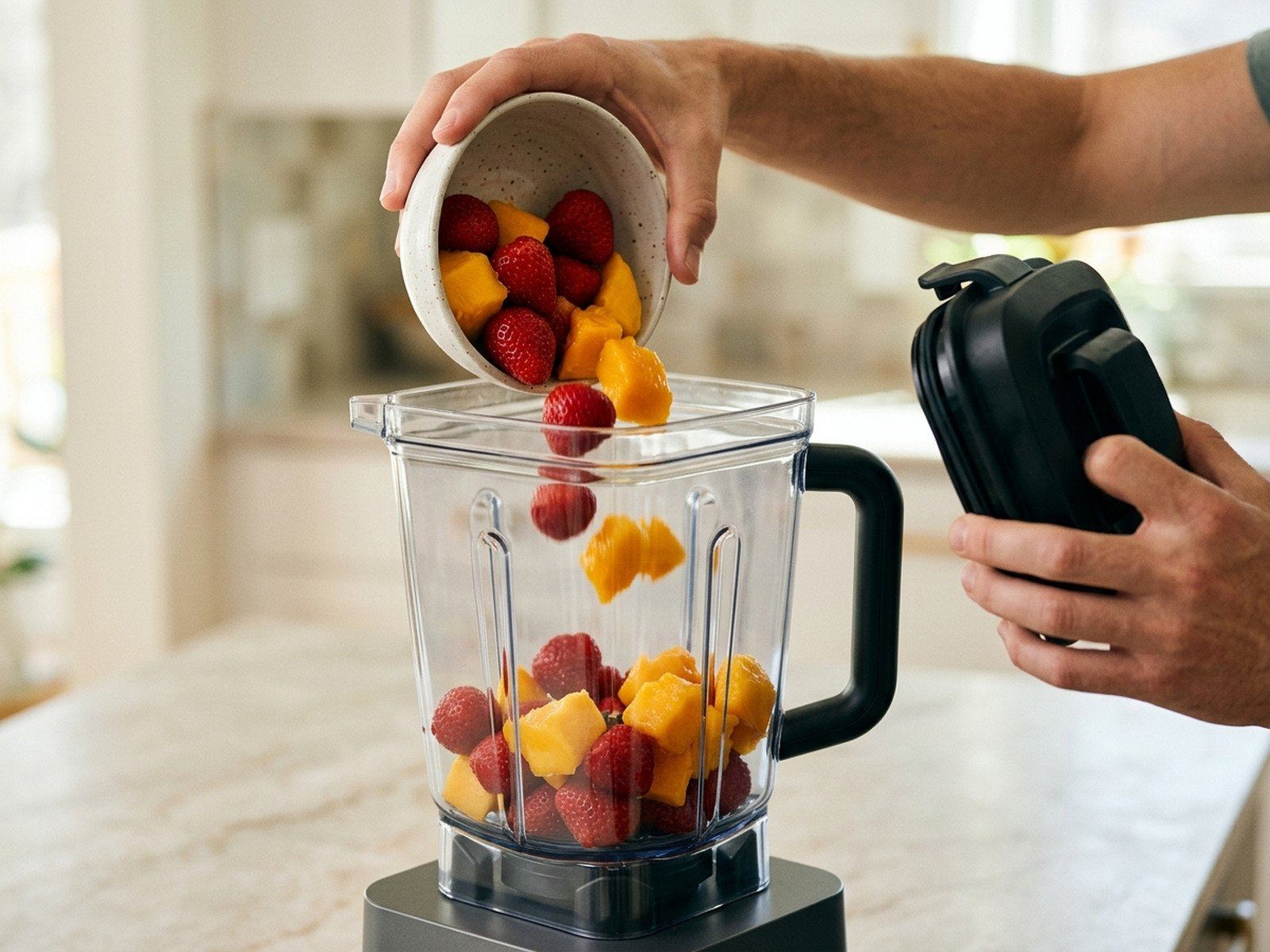
Start with what you make. If you rarely blend more than a single smoothie, buy a personal blender. If you cook for a family, buy a pitcher blender. If you blend hot soups and make nut butters, step up to a premium machine and read the warranty. Then think about space, because a pitcher blender with a tall jar may not fit under a cabinet.
Small details that matter
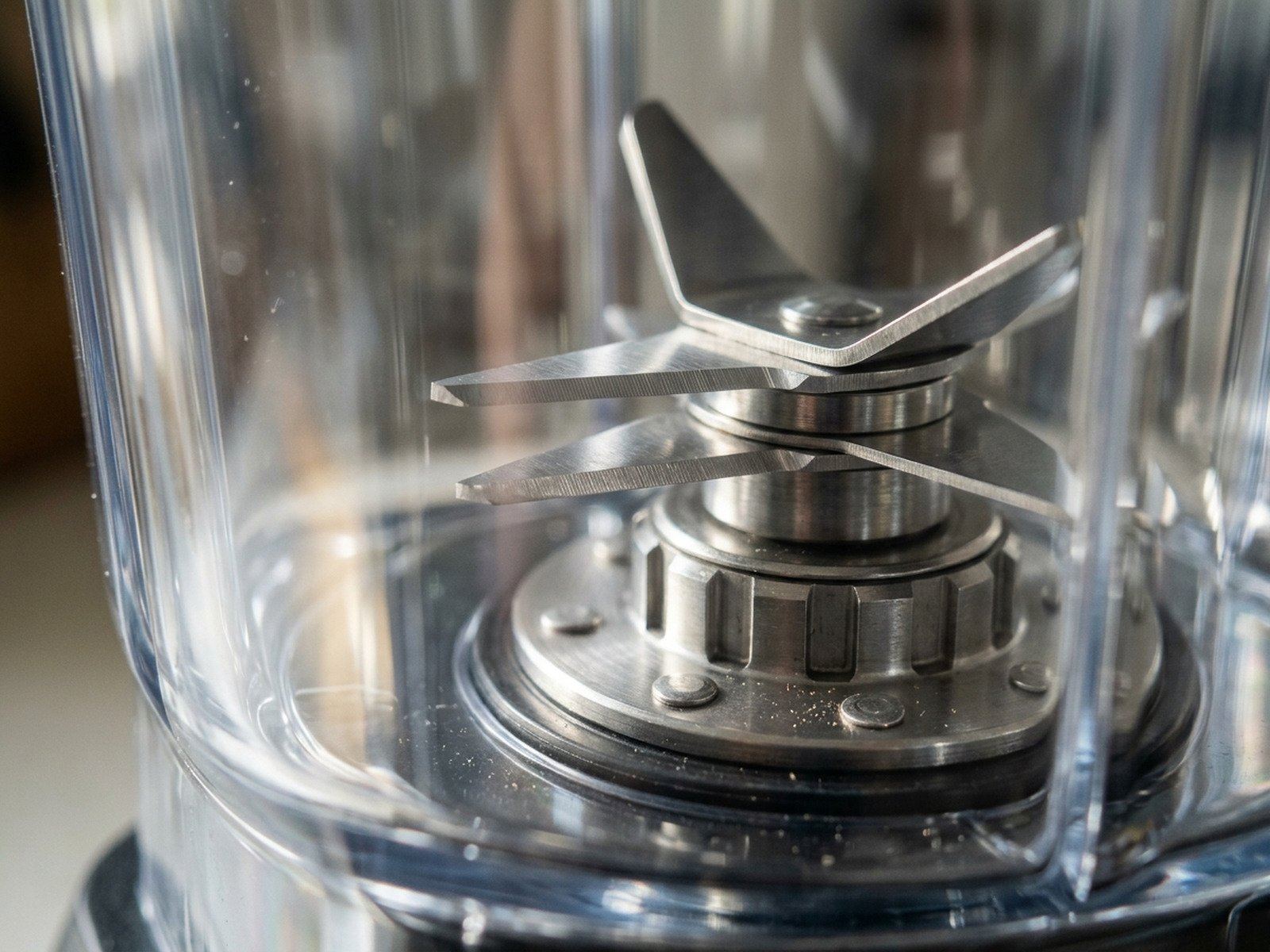
Lids and tampers: a tamper helps push thick mixtures into the blades on premium models. Jar material: plastic jars are light, glass resists scratches. Spare parts: the ability to buy a replacement blade or jar can extend the life of the base for years. Programs: a few presets are enough, because most people use only one or two.
Care that keeps blenders working
Blend warm water and a drop of soap after each use, rinse and dry. Avoid overfilling, and let the motor rest between long batches. Do not blend dry hot ingredients without checking the manual.
Ninja BlendBOSS Personal Blender
A 26-oz personal tumbler design, good for one smoothie at a time.
Oster Pro 1200 Smoothie Blender
A glass jar and a 24-oz to go cup in one set.
nutribullet SmartSense Blender Combo
A 1,400-watt combo with SmartSense, covering single serve and larger batches.
Mid priced pitcher blenders
The Ninja Professional Blender 2.0 is a 1,200-watt model with a 72-oz pitcher and Auto iQ programs. It is widely known and a sensible starting point for a family. The Ninja BN751 Professional Plus DUO raises the peak wattage to 1,400 and adds three Auto iQ programs, and the Ninja SS151 TWISTi DUO lists 1600 peak watts with a nutrient extractor style cup. The Ninja Detect Power Blender Pro stretches further, with a 72-oz pitcher, 1,800 peak watts and BlendSense technology that adjusts the blending cycle.
These are strong for smoothies and ice. They tend to be louder and less precise than premium machines, and owners often mention a learning curve for programs.
Ninja Professional Blender 2.0
A 1,200-watt, 72-oz pitcher blender with Auto iQ programs.
Ninja BN751 Professional Plus DUO Blender
A DUO model with 1,400 peak watts and three Auto iQ programs.
Ninja SS151 TWISTi Blender DUO
A DUO with 1600 peak watts and a nutrient extractor style cup.
Ninja Detect Power Blender Pro
A 72-oz pitcher with 1,800 peak watts and BlendSense technology.
Skip the mid tier if
You make hot soup or nut butter every week. Those jobs push motors hard, and premium builds are more comfortable there.
Premium pitcher blenders
The Vitamix line is the benchmark in this category. The Vitamix 5200 in black and the Vitamix 5200 in white share a 64-oz container and a professional grade design. The Propel 510 lists three programs, and the Propel 750 lists four, so you pay more for convenience presets. The Breville Fresh and Furious comes from a brand known for well engineered kitchen tools and suits people who want a quieter, more design-led machine.
These are usually the most durable and repairable options. They also cost more and take more space, and their appeal is mostly in long-term ownership.
Vitamix 5200 Professional-Grade Blender
A 64-oz professional style blender in black.
Vitamix 5200
The same 5200 design in white for lighter kitchens.
Vitamix Propel Series 510 Professional-Grade Blender
A Propel series model with three programs.
Vitamix Propel 750
A Propel series model with four programs.
Breville BBL620SIL Fresh and Furious Blender for Kitchens
A Breville blender for people who like its design approach.
Commercial and accessory
The Cleanblend commercial blender lists 1,800 watts, a 3 horsepower motor, a 64-oz pitcher and a five year warranty. It aims at heavy use and raw power. It tends to be loud and large, which suits a busy kitchen better than a small apartment.
The Vitamix 48-oz stainless steel container is not a blender. It is a replacement or extra container for compatible Vitamix bases. Check compatibility with your exact base before buying.
Cleanblend Commercial Blender
An 1,800-watt, 3 horsepower blender with a 64-oz pitcher and a five year warranty.
Vitamix 48 oz. Stainless Steel Blender Container
A 48-oz stainless steel container for compatible Vitamix bases.
Which one should you pick
Occasional smoothies, one person: a personal blender such as the BlendBOSS or Oster Pro. Family, smoothies and ice: the Ninja Professional Blender 2.0 or a DUO. Daily blending and long ownership: a Vitamix from the 5200 or Propel family. Heavy repeated use: the Cleanblend.
The numbers that are published
Where a maker states them, specifications help you separate real differences from marketing. Vitamix lists its 5200 with a 2 horsepower motor, a 64 ounce container, variable speed control from 1 to 10 plus High, a height of 20.5 inches, a weight of 10 pounds 9 ounces, a 6 foot cord and a seven year warranty. For the Ninja BN751 a retailer page lists 1400 peak watts, a 72 ounce pitcher and three preset programs. Note the words "peak watts": peak and continuous power are not the same measure, so the two figures should not be compared as if they were.
Height is the spec people forget
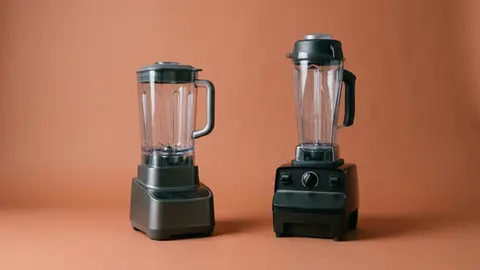
At about 20.5 inches tall, a 5200-style tall container will not slide under many standard wall cabinets with the lid fitted. Measure from the counter to the underside of the cabinet before buying, and allow extra room to lift the container off the base. A blender you must carry to another surface to use is a blender you will use less.
Things that matter beyond the model
Noise: every powerful blender is loud. Consider when you will use it. Cleaning: blend warm water and a drop of soap right after use. Counter space: measure the height with the pitcher on the base. Warranty: read the length and what it covers.
For help choosing the type before the model, start with How to choose a blender. For a direct comparison of the most popular budget and premium options, read Ninja Professional Blender 2.0 vs Vitamix 5200, and if you question whether you need this power at all, see Do you really need a high speed blender?.
A note on this list
We did not test these blenders. The groupings come from specifications and the listings, and the right choice depends on your own use.
Questions people ask
Which blender is best for smoothies?
Any well reviewed pitcher blender in the 1000 to 1400 watt range handles smoothies. Frozen fruit and greens reward more power and a good pitcher shape.
Is a Vitamix worth it?
If you blend most days, make hot soup or nut butter, and value a long warranty, many owners feel it is. For occasional use, a cheaper model is likely enough.
What is the difference between a personal blender and a full size one?
A personal blender blends in a single serve cup you drink from. A full size pitcher handles family batches, soups and ice.
Do I need a commercial blender at home?
Rarely. Commercial blenders are louder and often built for repeated heavy use, so they suit people who blend constantly or run a small business.
Sources and scope
Reference material is linked for the scope described below. This is not a claim that every statement or current retailer offer has been independently verified.
- Vitamix 5200 (Vitamix): manufacturer specifications
- Ninja BN751 (Best Buy listing): retailer listing
No hands-on testing or systematic reliability study was performed. Confirm current instructions, seller, model and box contents before ordering.